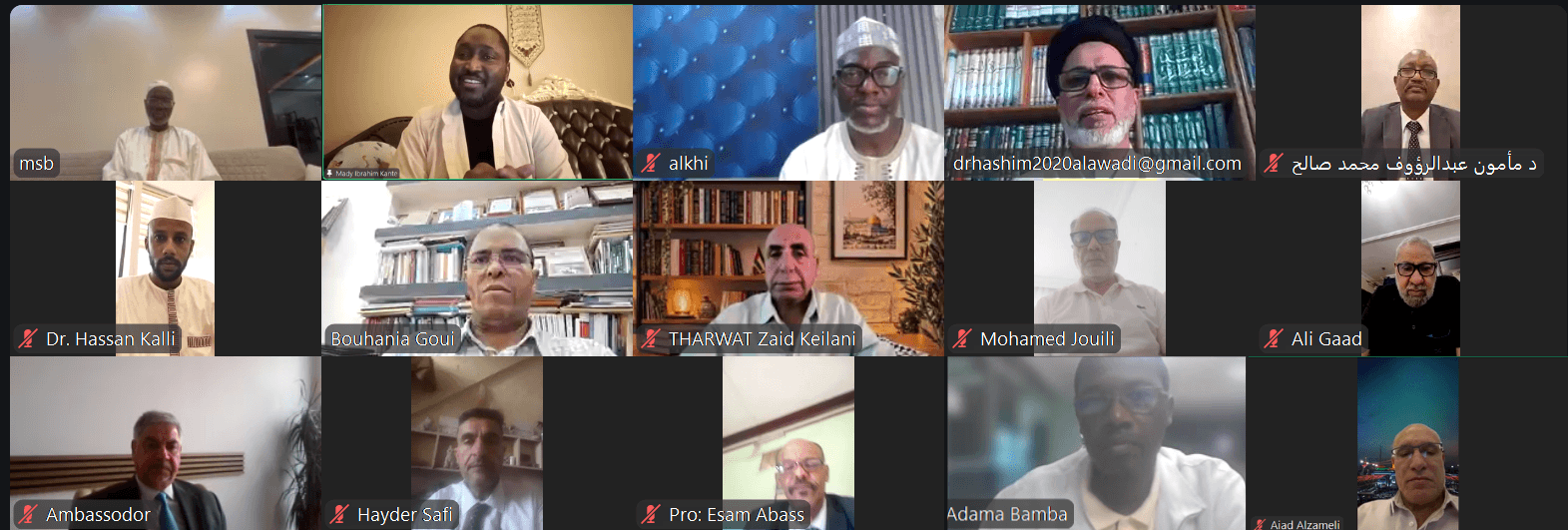
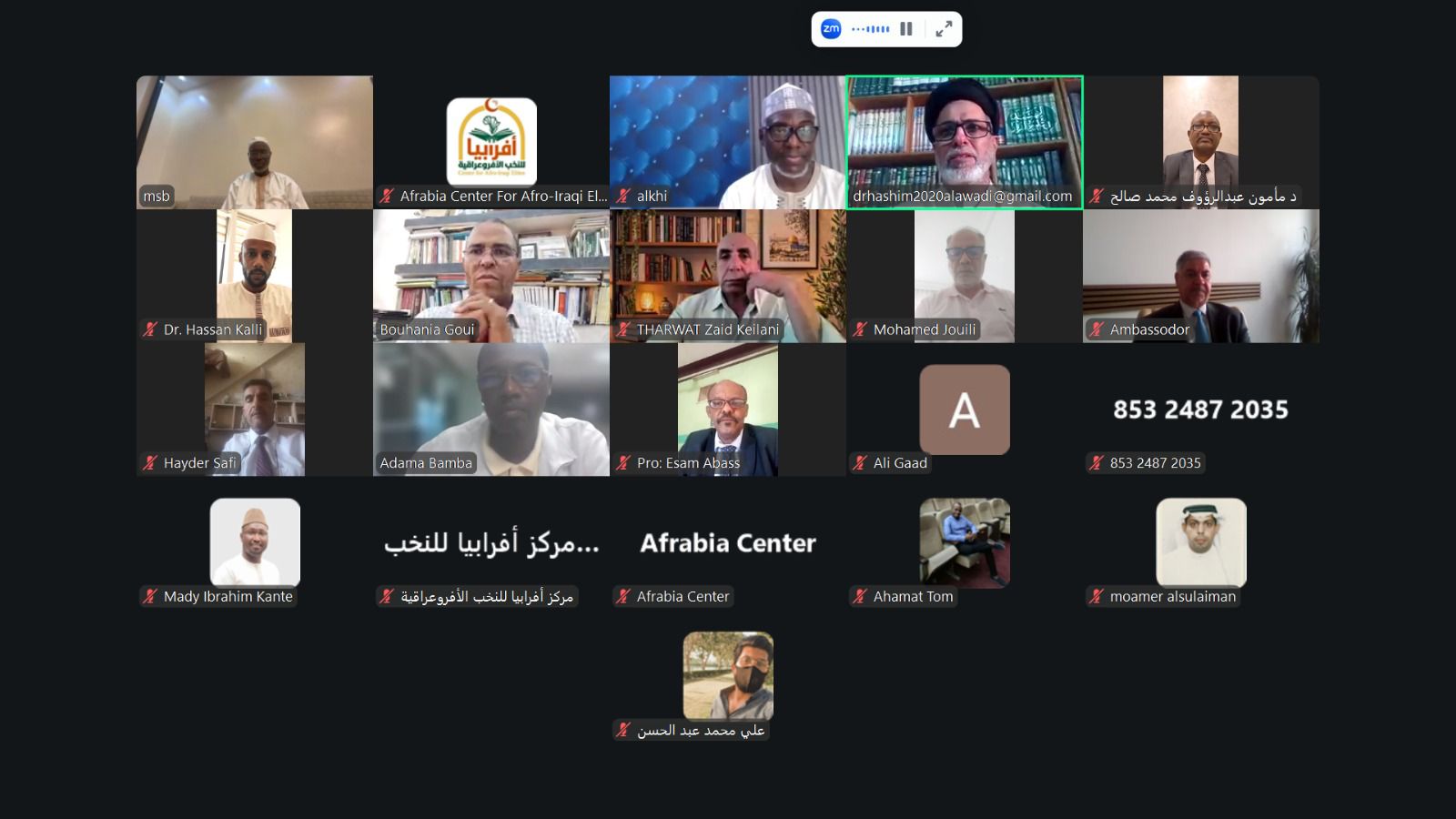
Session I: The Foundational Academic Discourse of the Afrabia Center for Afro-Iraqi Elites
Moderated by Dr. Hashem Al-Awadi
The Center’s Methodological Philosophy: The Dynamics of "Collective Intelligence"
This closed session was not merely a protocol meeting, but rather the embodiment of a rigorous methodological vision that the Center has believed in since its conceptual inception. This methodology is based on engineering periodic brainstorming spaces that bring together the largest possible number of academic, diplomatic, and cultural elites (Iraqi, African, and Arab).
The Center operates on the principle of "respecting the intellect of the elites" and valuing their cognitive capital. This stems from our belief that strategic solutions to complex problems are not formulated individually, but are born out of "collective intelligence" and cumulative intellectual cross-pollination. This advanced consultative (Shurawi) approach is the sole guarantee for establishing solid, sustainable foundations for the Center's work, and for transforming theoretical ambitions into tangible operational reality.
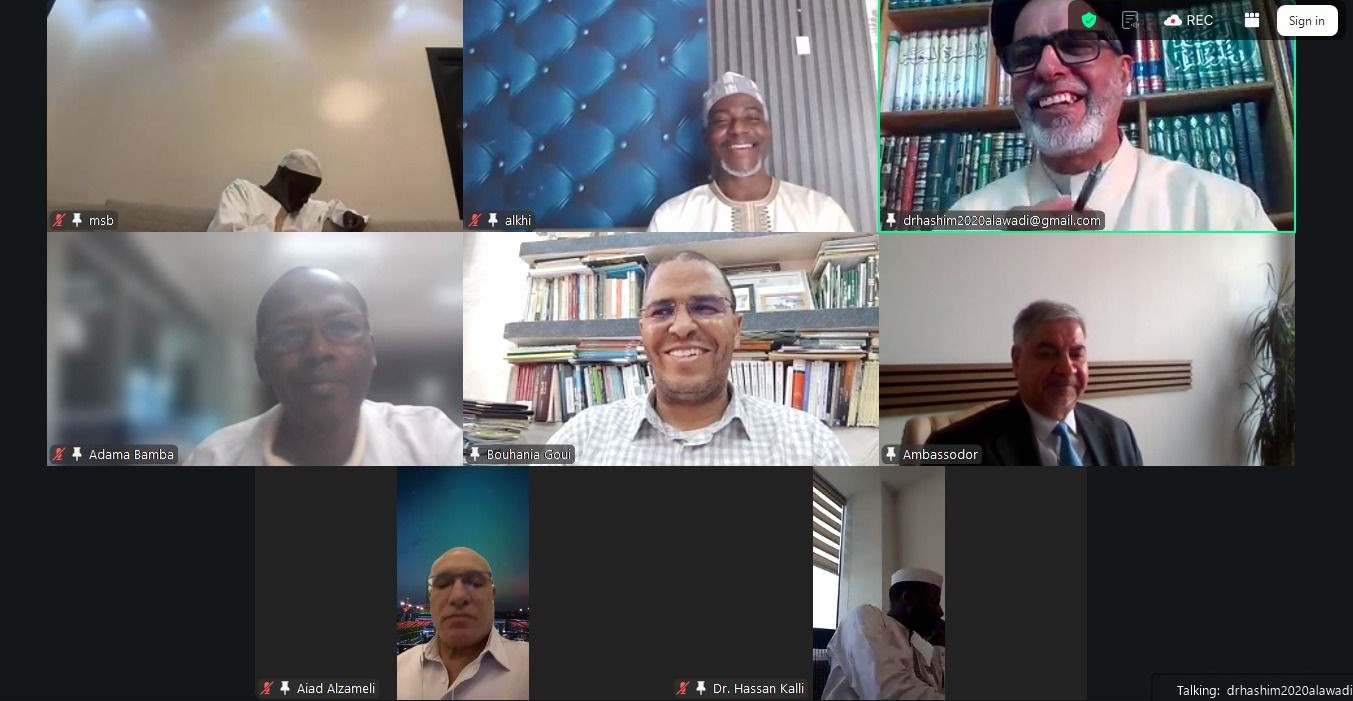
Dialogue Platform: Elite Theses and Future Pillars of Construction
The closed foundational session witnessed high-level strategic interventions presented by prominent intellectual and diplomatic figures, which collectively formed the Center’s knowledge map:
- Dr. Tharwat Zaid Al-Kilani (Strategic Academic & Thinker): Focused on the necessity of "deconstructing the structure of cognitive awareness" and establishing a "shared narrative sovereignty and digital citizenship" stemming from the region's civilizational uniqueness, away from ready-made Western molds.
- H.E. Ambassador Hisham Al-Alawi (Former Ambassador of Iraq to South Africa & Former Undersecretary of the Ministry of Foreign Affairs): Outlined a "modern diplomatic roadmap" based on scientific integration, digital cultural diplomacy, and turning logistical challenges into partnership opportunities with Africa as a young and rising continent.
- Professor Al-Khadir Abdul Baqi (Head of the Union of Arabized Africans in Nigeria): Stressed the "engineering of cultural space and expanding the elite circle," calling for procedural realism and precise specialized classification to build a comprehensive cultural map targeting the entire continent.
- Dr. Mohamed Said Bah (Prominent Academic & Thinker): Called for "mutual self-criticism and deconstructing misleading stereotypes," and immediately moving from mere capacity building to an "institutional empowerment strategy" to generate strategic impact.
- Dr. Adam Bamba (Specialized Researcher & Academic): Laid down the Center’s ethical foundation by calling for "total openness and integration through the comprehensive diversity" of the African fabric, granting the Center the character of comprehensive public diplomacy.
- Dr. Bouhania Goui (Dean of the Faculty of Law and Political Science at Kasdi Merbah University, Ouargla): Acted as the Center's operational compass by calling for "breaking the centrality of Mashriqi centralism and activating spiritual diplomacy" (via shared Sufi spaces) to produce authentic knowledge that fulfills the prerequisites for renaissance.
- Mr. Iyad Al-Zamili (Academic & Strategic Analyst): Proposed a plan focusing on the "cognitive centrality of the elites through five parallel entry points" (cultural, elite, media, popular, and political), positioned so that the elites serve as the driving force to reclaim Iraq's pioneering role.
- Dr. Essam Abbas (Strategic Planner & Expert - Sudan): Provided the Center's administrative arm by calling for the "institutionalization of thinking through strategic measurement tools (SWOT)" and the governance of digital heritage to protect cultural and intellectual security against external threats.
- Dr. Ali Gad (Geopolitical Analyst & Researcher): Placed the project within its broader international context, calling for a shift from a bilateral framework to a "holistic Arab-African strategic alliance" to secure a firm foothold in the new international order.
- Dr. Madi Ibrahim (Academic & Researcher - Republic of Mali): Called for "reclaiming positive historical memory" and institutionalizing sustainable educational and research partnerships by launching specialized digital platforms and translation projects between Arabic and local languages.
- Dr. Hassan Kelli (Academic & Researcher - Republic of Chad): Emphasized investing in the "Arabic language as a strategic asset and a factor for social and political unification," while activating spiritual diplomacy and focusing on youth-driven outputs to sustain the project.
Session II: The Foundational Academic Discourse of the Afrabia Center for Afro-Iraqi Elites
Moderated by Dr. Haider Hassan Safi
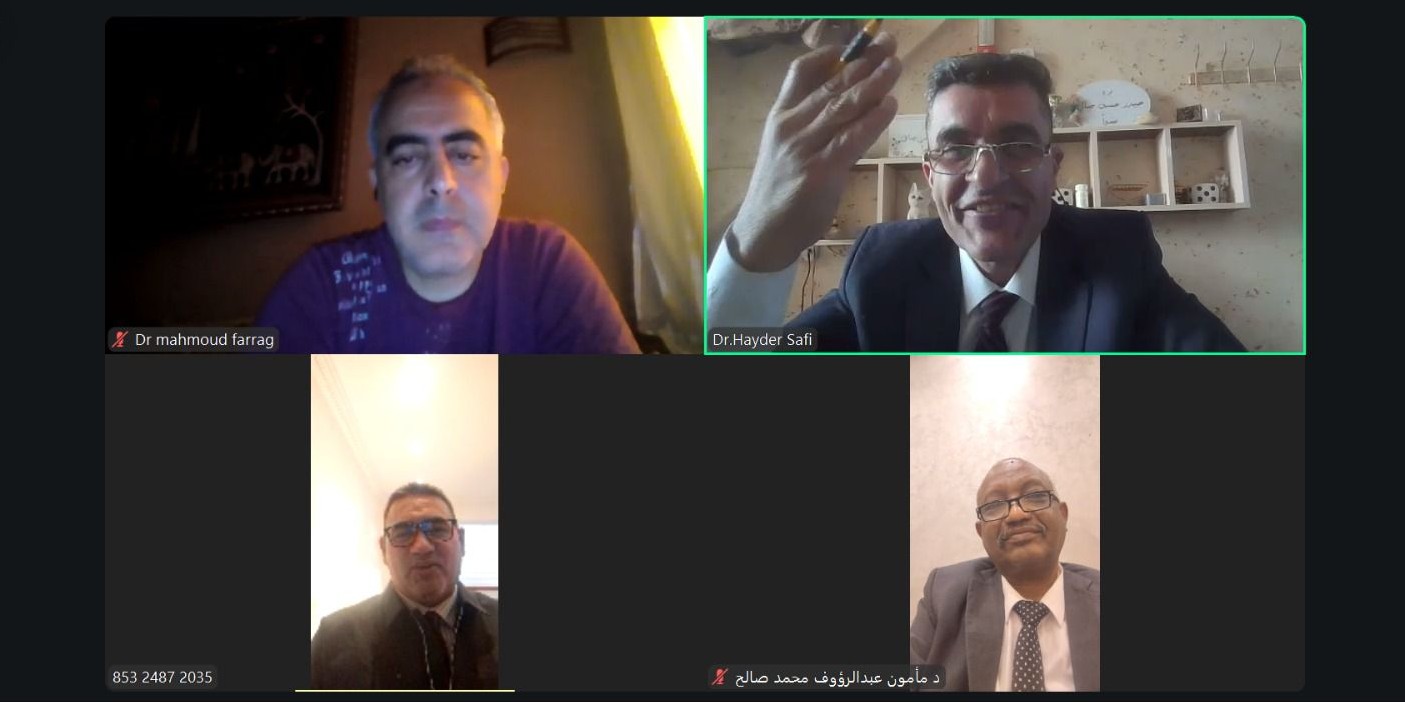
- Dr. Miqdad Al-Nouri (Iraq) | Diplomatic Advisor & Former Ambassador to London: Stressed the activation of "institutional knowledge and cultural diplomacy" as a flexible backer to official diplomacy. He called for capitalizing on Iraq's existing diplomatic credit in Africa and documenting the cumulative experiences of diplomats to build a shared cognitive memory, in integration with the Supreme National Committee for Cultural Diplomacy to change stereotypes.
- Dr. Mohamed Jouili (Professor of Sociology - Tunisia): Called for "critical realism and defining the existential research strategy" of the Center, warning against replicating traditional seminars. He emphasized the necessity of drafting a "roadmap" of previous Arab-African centers to learn from their pitfalls, ensuring the "Afrabia" project transforms into a genuine, two-way think tank.
- Dr. Dina El-Ashery (Vice President of Nile European University for International Relations - Egypt): Urged an immediate transition into "field research and converting studies into executable field programs" politically and commercially. She proposed engineering practical tools including: establishing policy translation units for decision-makers, launching youth researcher networks, creating a joint Arab-African funding fund, and institutionalizing an annual conference to foster interactive convergence.
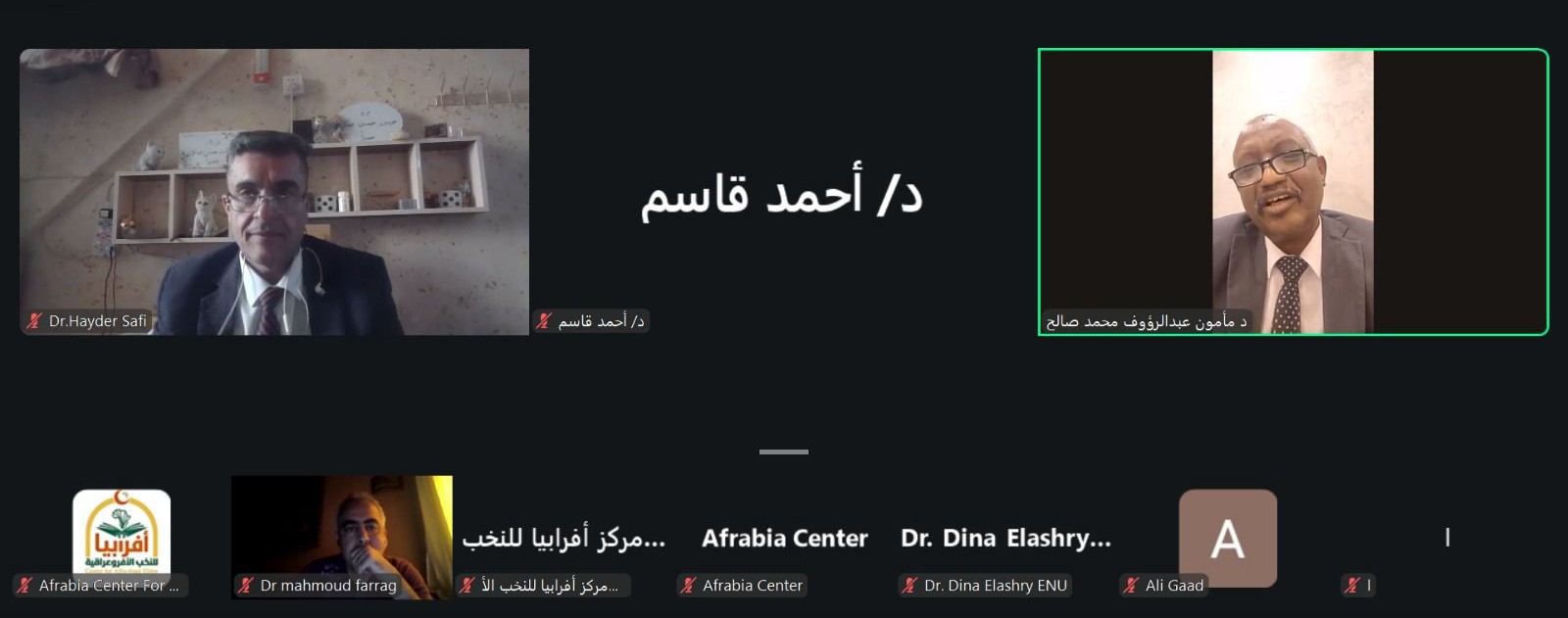
- Dr. Ahmed Qassim (Specialized Academic & Researcher - Republic of Chad): Focused on the "historical and spiritual depth of Mesopotamia in the African space" (especially Sub-Saharan Africa), calling for considering the cultural and geographical variances of the continent when drafting plans. He also demanded increasing scholarships for African youth and activating public diplomacy to transfer developmental expertise and combat unemployment.
- Dr. Mamoun Abdel Rauf (Specialized Academic & Researcher - Republic of Sudan): Called for relying on "shared human commonalities and mutual developmental interests" as a governing framework for relations to bypass the complexities of the religious and sectarian landscape. Citing the Chinese experience in transitioning gradually from cultural entry points to economic empowerment, he suggested forming "knowledge lobby groups" to influence the African Union and the Arab League.
- Dr. Mahmoud Farag (Academic at Cairo University - Egypt): Emphasized "simplifying academic knowledge and re-engineering popular consciousness" towards the African continent. He called for deconstructing dry, elitist discourse and transforming it into simplified communication and storytelling messages that target societal conscience and younger generations, while simultaneously utilizing the energy of African expats and communities.
Message of Appreciation and Outlook
At the conclusion of these closed foundational sessions, the Foundational Committee of the Afrabia Center for Afro-Iraqi Elites extends its utmost gratitude, appreciation, and thanks to all our distinguished guests—scholars, thinkers, and diplomats—who spared their valuable time and enriched the Center with the summaries of their experiences and depth of their ideas, confirming that this contribution is the cornerstone for building our shared future.
This platform was merely the first step in a thousand-mile journey toward cognitive leadership. We invite you all to stay connected and await our upcoming strategic event, which the Center will announce soon, marking the transition into deeper and more impactful applied and research horizons.
Together... we shape the consciousness of the present and possess the narrative of the future.