

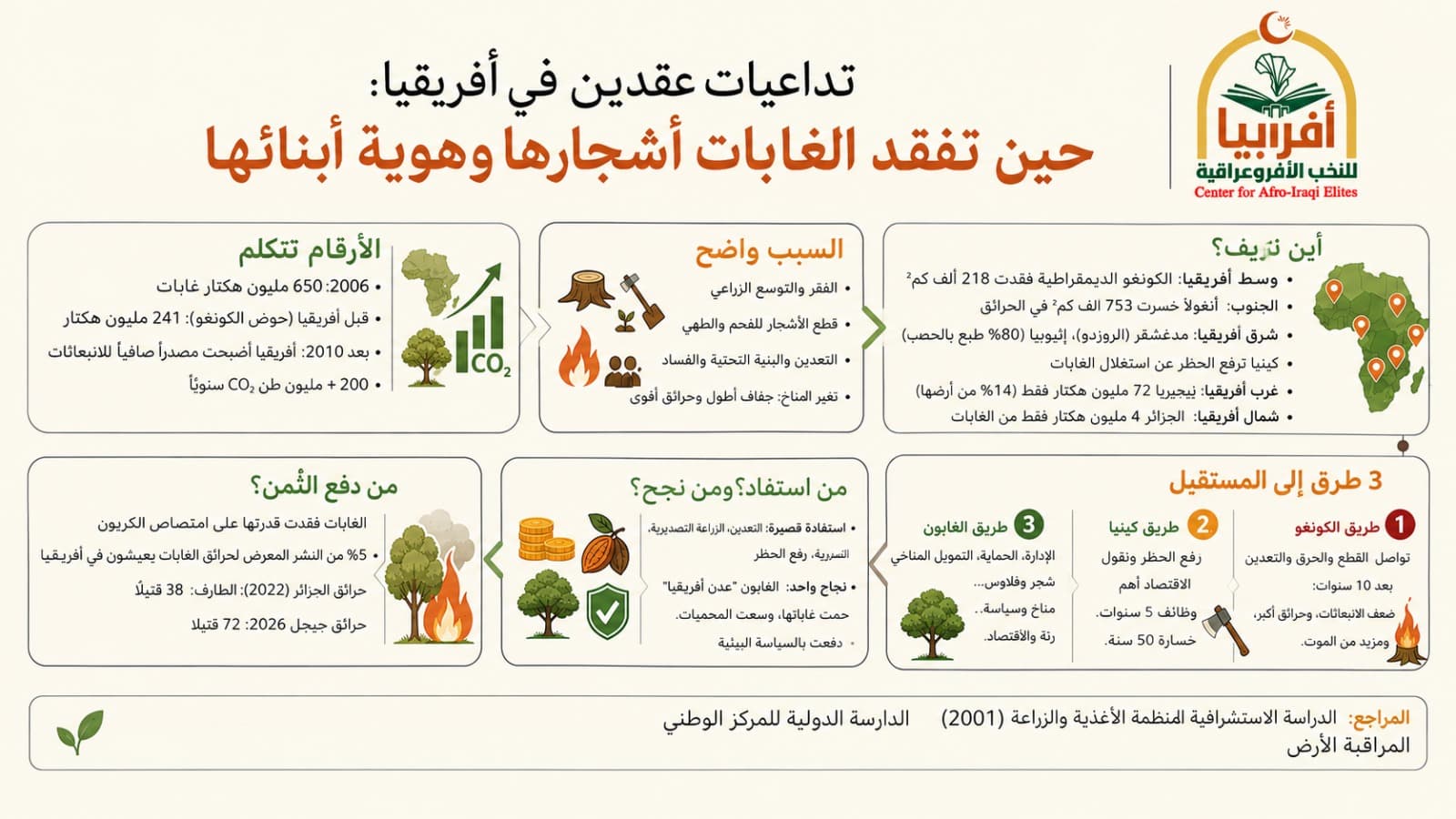
Africa’s forests have long been among the continent’s most important ecological systems. During the twentieth century, they were described as the “second lung of the world” because of their extensive coverage and their role in carbon absorption and ecological balance. According to Food and Agriculture Organization of the United Nations (FAO) data from 2001, African forests covered approximately 650 million hectares, equivalent to 21.8% of the continent’s total area.
Yet the period from 2006 to 2026 has witnessed a significant deterioration in the condition of these forests, as pressures from agricultural expansion, dependence on fuelwood and charcoal, commercial resource exploitation, mining, infrastructure development, drought and wildfires have intensified. Recent monitoring studies indicate that this deterioration is no longer simply a gradual loss of forest cover. It has also been associated with a shift in the function of forests from net carbon sinks to net sources of emissions.
2010: The Turning Point
Studies conducted by the National Centre for Earth Observation in the United Kingdom, in cooperation with the universities of Leicester, Sheffield and Edinburgh, using remote sensing and artificial intelligence, identify 2010 as a turning point in the trajectory of African forests.
From that year onward, Africa became a net source of carbon dioxide emissions, with the annual increase estimated at approximately 200 million tonnes of CO2 equivalent.
Between 2010 and 2017, the continent lost the equivalent of 106 billion kilograms of forest biomass. The largest losses were concentrated in tropical moist broadleaf forests, particularly in the Democratic Republic of the Congo, Madagascar and West Africa.
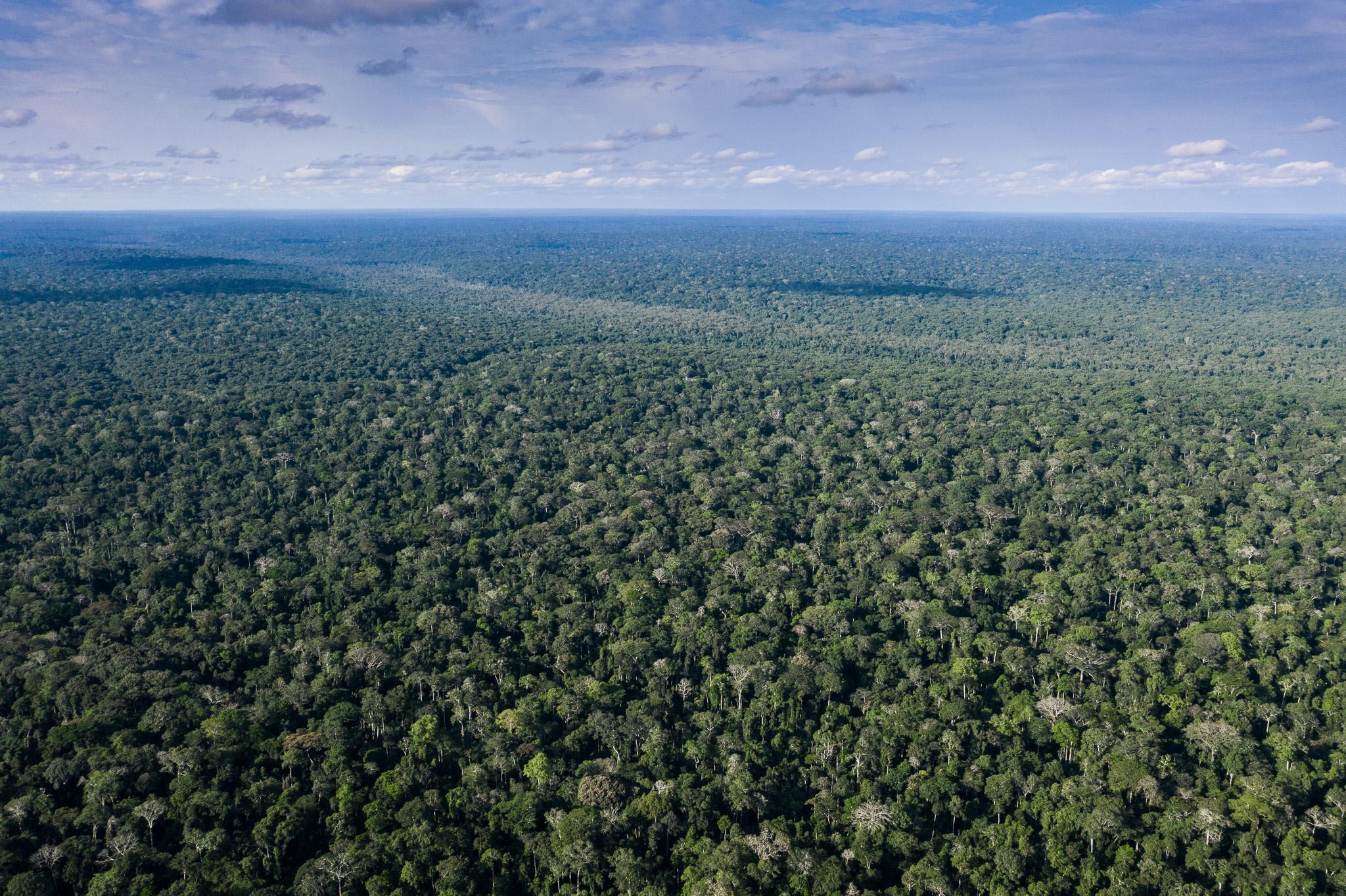
This shift represents a critical change in the way Africa’s forests are understood. Forests that once played a major role in absorbing carbon have, as their biomass has declined, increasingly become part of the emissions problem itself.
Why Are Africa’s Forests Declining?
The deterioration of African forests is linked to a combination of structural factors in which demographic and economic pressures intersect with environmental conditions.
Population Pressure and Poverty
Agricultural expansion is one of the main pressures facing forests. The need to provide food for growing populations drives the conversion of forest areas into agricultural land, while poverty increases communities’ dependence on available natural resources.
The estimates cited in the original material link this pressure to the need to feed approximately 1.5 billion people, making agricultural expansion one of the main factors influencing land-use patterns across the continent.
Dependence on Fuelwood and Charcoal
Dependence on biomass is another factor contributing to the depletion of forest resources. Fuelwood and charcoal are used as primary energy sources across large parts of Africa, placing sustained pressure on trees and forest cover.
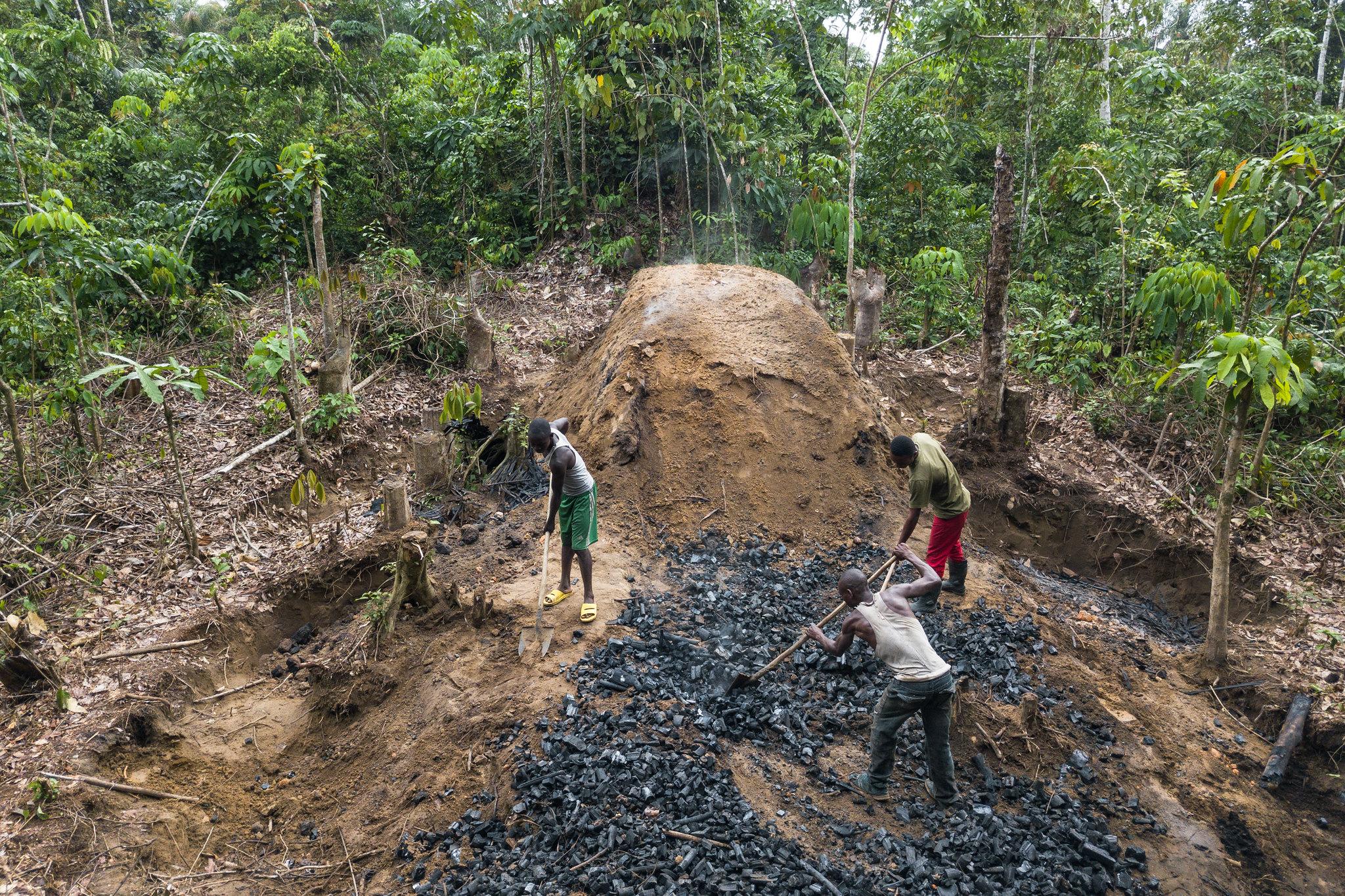
Commercial Exploitation
Pressure on forests is not limited to activities linked to everyday livelihoods. It also includes extensive economic and commercial activities such as mining, timber extraction and infrastructure development.
The expansion of these activities increases demand for forest resources at a time when demand for land and raw materials is also growing.
Drought and Wildfires
These pressures are compounded by climatic factors, including increasing frequency and intensity of droughts and wildfires. Their effects become more severe when they coincide with agricultural practices based on slash-and-burn techniques or with declining capacity to manage forests effectively.
1. Central Africa: The Congo Basin
The contrasting condition of Africa’s forests is particularly visible in the Congo Basin, one of the continent’s most important forest regions.
The Democratic Republic of the Congo is among the countries recording the highest rates of forest-cover loss. It lost approximately 218,000 square kilometres of forest cover between 2001 and 2024, accompanied by emissions estimated at 13 gigatonnes of carbon.
This trajectory represents one of the most significant manifestations of degradation in Africa’s tropical forests, particularly as a substantial share of the losses is concentrated in moist broadleaf forests.
Gabon, by contrast, offers a different model within the same region. It has maintained 88% of its territory under forest cover through a set of policies that include a ban on raw timber exports, the expansion of protected areas and the promotion of ecotourism.
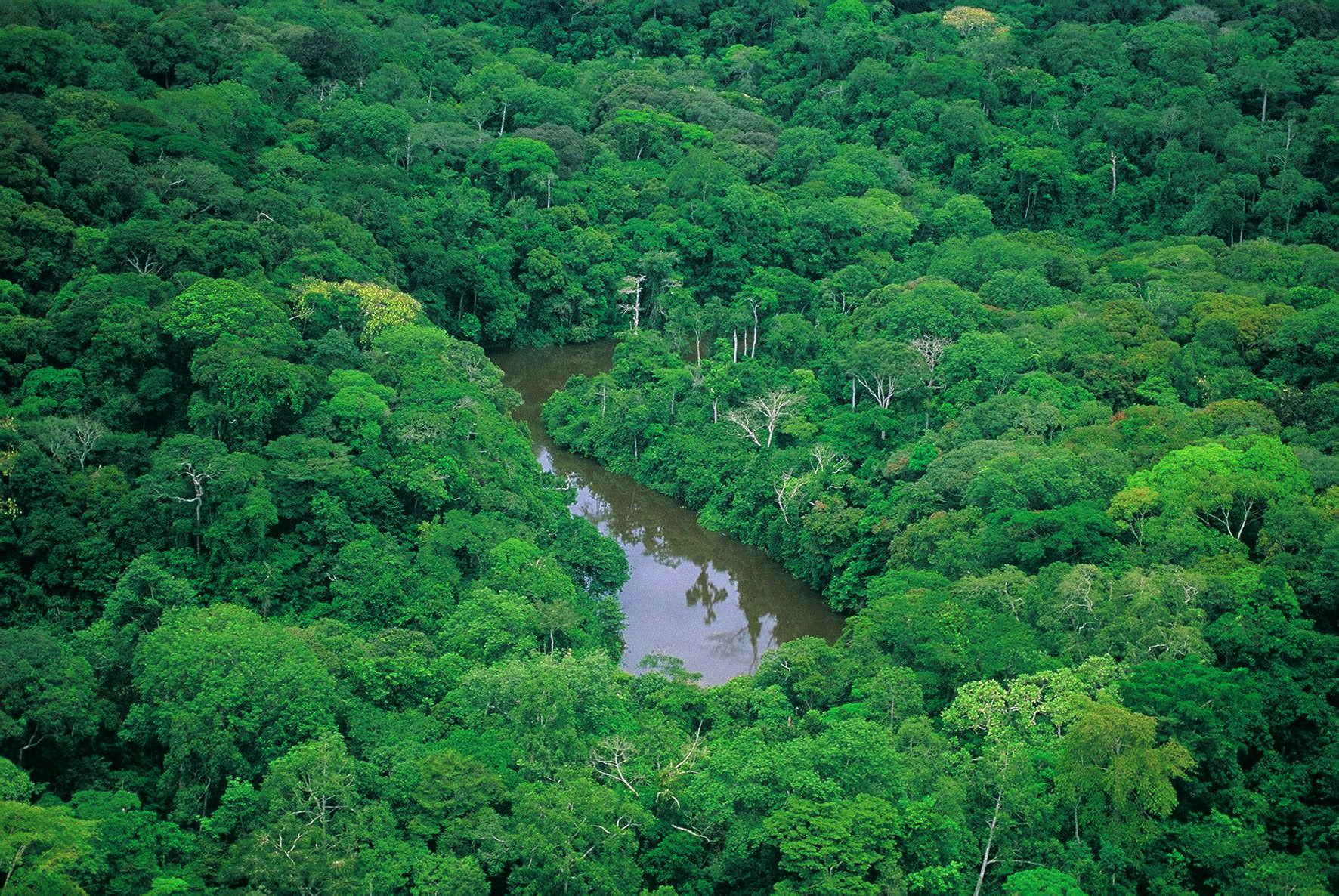
This approach has earned Gabon the description “Africa’s Eden,” contrasting with the more severe picture reflected in forest-loss rates elsewhere in the Congo Basin.
The contrast between the two countries demonstrates significant differences in forest-resource management. While the Democratic Republic of the Congo faces extensive pressure on its forests, Gabon has pursued policies aimed at conserving forest cover while deriving economic benefits from it.
2. Southern Africa: Fire at the Forefront
Wildfires occupy a prominent position in the deterioration of forests in Southern Africa.
Angola lost approximately 753,000 square kilometres of forest cover between 2001 and 2023 amid multiple pressures on its natural resources.
In Mozambique, forests cover approximately 34 million hectares, equivalent to 43% of the country’s area. Yet the country has lost approximately 8 million hectares of forest since the 1970s, at an annual rate of 267,000 hectares, or 0.79%.
Some 65% of this loss is attributed to slash-and-burn agriculture, while 8% is attributed to timber extraction and 7% to charcoal production.
These figures show that forest loss in Mozambique is associated with several overlapping activities, particularly agricultural practices, timber exploitation and charcoal production.
3. East Africa: Energy Pressure on Forests
Dependence on biomass is particularly evident in East Africa.
In Ethiopia, 80% of households depend on fuelwood, making household energy needs one of the factors placing pressure on forest resources.
In Kenya, the government decided in July 2023 to lift a ban on logging, citing the need to create jobs and support economic activity.
The decision represents a policy path that places immediate economic gains alongside longer-term environmental sustainability concerns. It also illustrates the difficulty of balancing the economic use of forest resources with their conservation.
4. West Africa: Commercial Agriculture
The nature of forest pressure differs in West Africa, where commercial agriculture is among the leading causes of degradation.
Nigeria provides a clear example. Forest cover accounts for no more than 14% of the country’s total area amid the expansion of palm and cocoa cultivation for export.
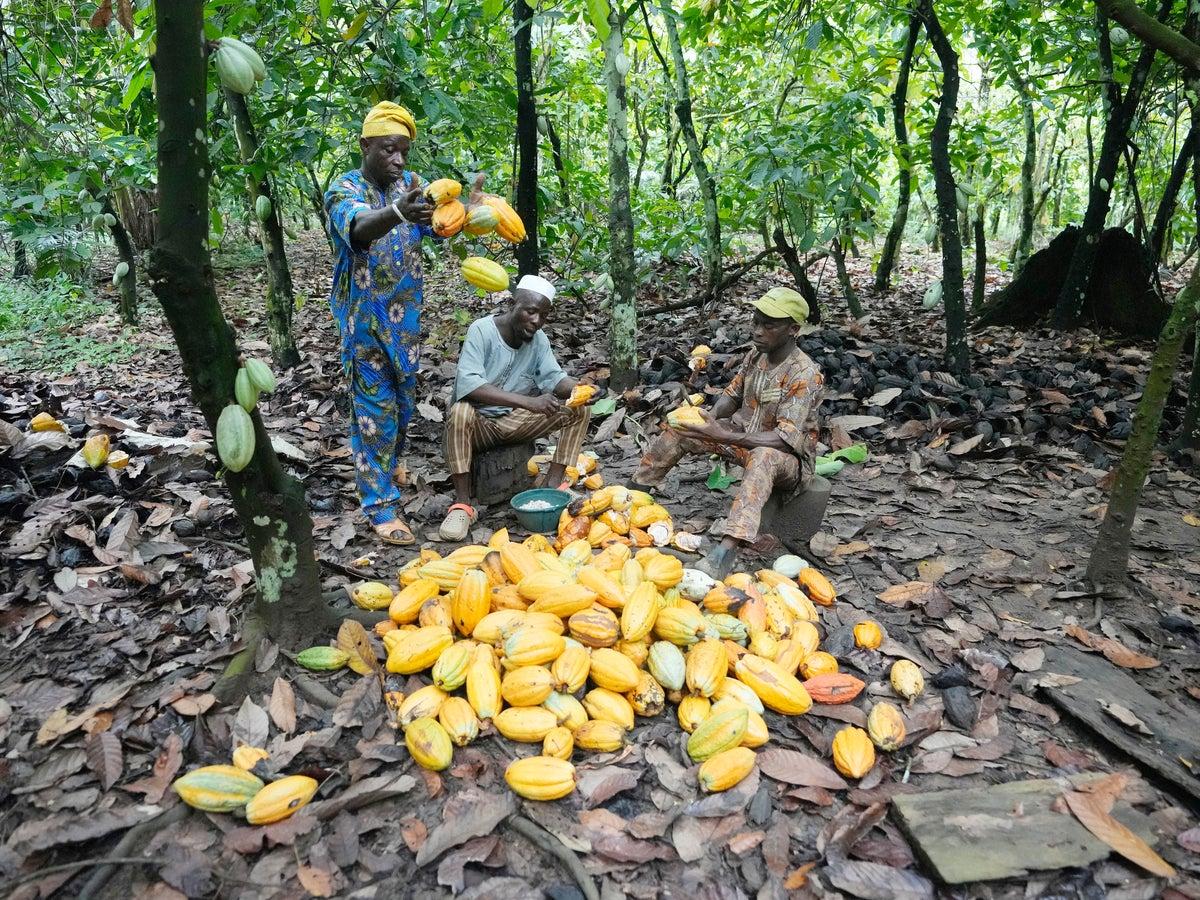
Here, forests become a space of competition between the preservation of natural cover and growing demand for commercial crops, making external markets an important factor shaping land-use patterns.
5. North Africa: Limited Forests and Intensifying Fires
North Africa is characterized by relatively low forest cover compared with other parts of the continent, with forests accounting for only 7% of the area.
This limited forest base makes fires particularly dangerous because any additional loss affects an already restricted forest resource.
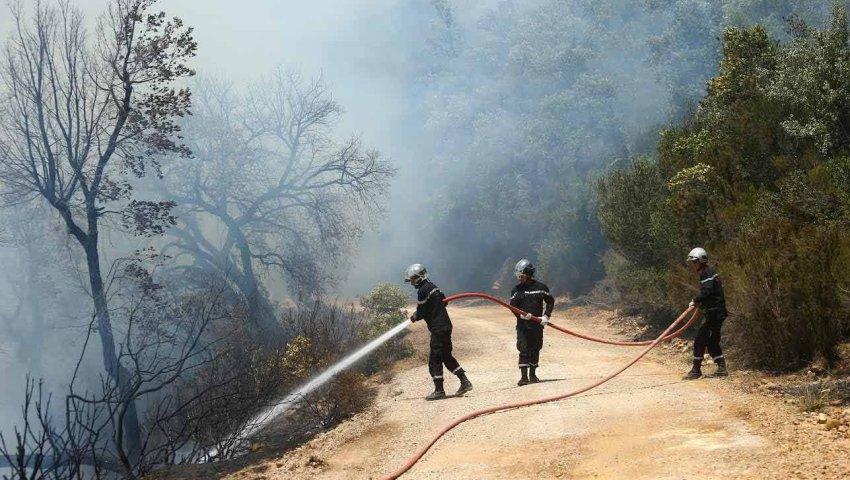
In Algeria, wildfires in El Tarf Province in 2022 killed 38 people, while the 2026 fires in Jijel, according to the figures contained in the original material, caused 72 deaths.
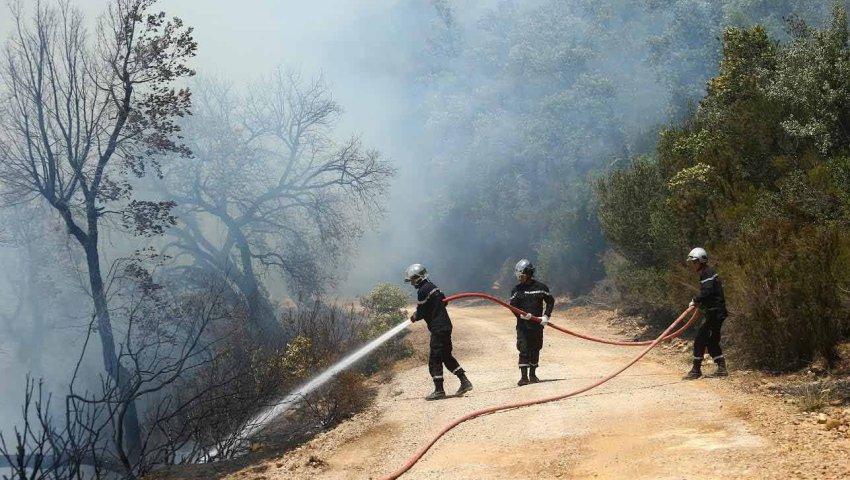
The impact of wildfires extends beyond direct environmental losses to human life, making fire-risk management an essential part of addressing the future of forests in the region.
The original material estimates that 85% of the world’s population exposed to forest fires lives in Africa, reflecting the scale of human exposure associated with the phenomenon across the continent.
Three Paths for the Future of Africa’s Forests
The original material identifies three possible paths for Africa in managing its forests in the coming period.
1. The Congo Path: Continued Depletion
This path involves the continuation of current pressures, including agricultural expansion, commercial resource exploitation, timber extraction, mining and infrastructure development.
If this trend continues, the scenarios presented in the original material indicate that emissions could double over the next decade, further weakening the capacity of forests to store carbon.
2. The Kenya Path: Liberalized Commercial Exploitation
This path involves expanding commercial exploitation of forests in order to achieve immediate economic gains, including job creation and the expansion of activities associated with the sector.
However, this option places short-term economic considerations against potential long-term environmental losses and makes the limits of commercial forest exploitation a central issue in future policy debates.
3. The Gabon Path: Sustainable Management
The third path is integrated sustainable management, which links forest conservation with regulated economic use.
According to the original material, this model combines climate finance, ecotourism and industrial development with measures such as the ban on raw timber exports and the expansion of protected areas.
The Gabon model presents forests as economic resources that can be used without turning that use into permanent depletion of their ecological base.
From Natural Resource to Strategic Issue
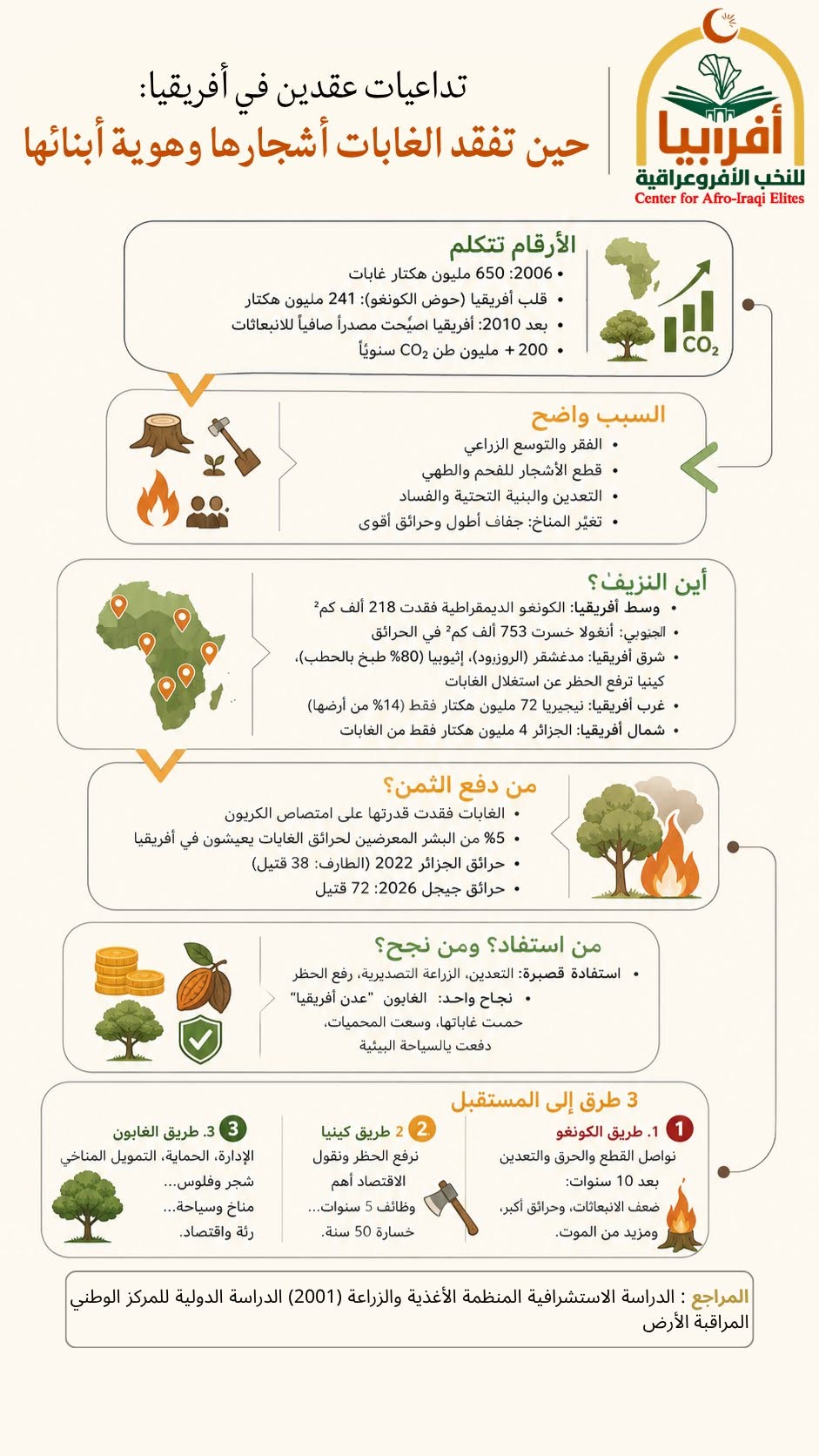
Comparison across Africa’s regions shows that forest degradation does not follow a single pattern. In the Congo Basin, forest-cover and biomass loss dominate the picture. In Southern Africa, wildfires and slash-and-burn agriculture are major pressures. In the east, dependence on biomass is a significant source of pressure, while commercial agriculture plays a major role in the trajectory of degradation in the west. North Africa faces a different challenge: an already limited forest base combined with the growing risk of wildfires.
Forest management is therefore increasingly connected to agriculture, energy, trade, development and land-use policies. Forest protection is no longer an environmental issue separate from economic and social policy; it is closely tied to governments’ ability to balance population needs with the sustainability of natural resources.
Conclusion
Between 2006 and 2026, the issue of Africa’s forests has evolved from a discussion primarily focused on declining forest cover to one concerned with a fundamental change in the ecological function of these forests. The year 2010 marked the most significant turning point, when biomass indicators began moving toward losses, ultimately coinciding with the transformation of forests into a net source of emissions during the period examined by recent studies.
The different national experiences show that this trajectory is neither uniform nor inevitable. One model is associated with continued depletion, as illustrated by the Democratic Republic of the Congo; another expands commercial exploitation, as reflected in the Kenyan path; while a third seeks to combine conservation with economic use, as in Gabon.
Ultimately, the future of Africa’s forests will depend on the political, economic and social choices made regarding their management and exploitation. As indicators warn of a declining capacity of forests to perform their natural role in addressing climate change, the question remains open: will the continent move toward the “Congo” model or the “Gabon” model?
Reference
· FAO. State of the World’s Forests 2001. Rome, 2001.
· National Centre for Earth Observation, UK Universities. Satellite-based assessment of African forest biomass 2010-2025. 2025.
· World Bank Group. Deforestation in Mozambique: 2007-2016. In partnership with Government of Mozambique.
· Al-Arabiya. “Kenya lifts ban on logging.” July 2023.
· Al-Mayadeen. “Gabon: Africa’s Eden Model.