
Minds Caught in the Crossfire of War: When a Nation’s Intellect Is Targeted
How Are “Afrabia Center” and “Afropolicy” Rethinking the Future of Higher Education in Sudan?
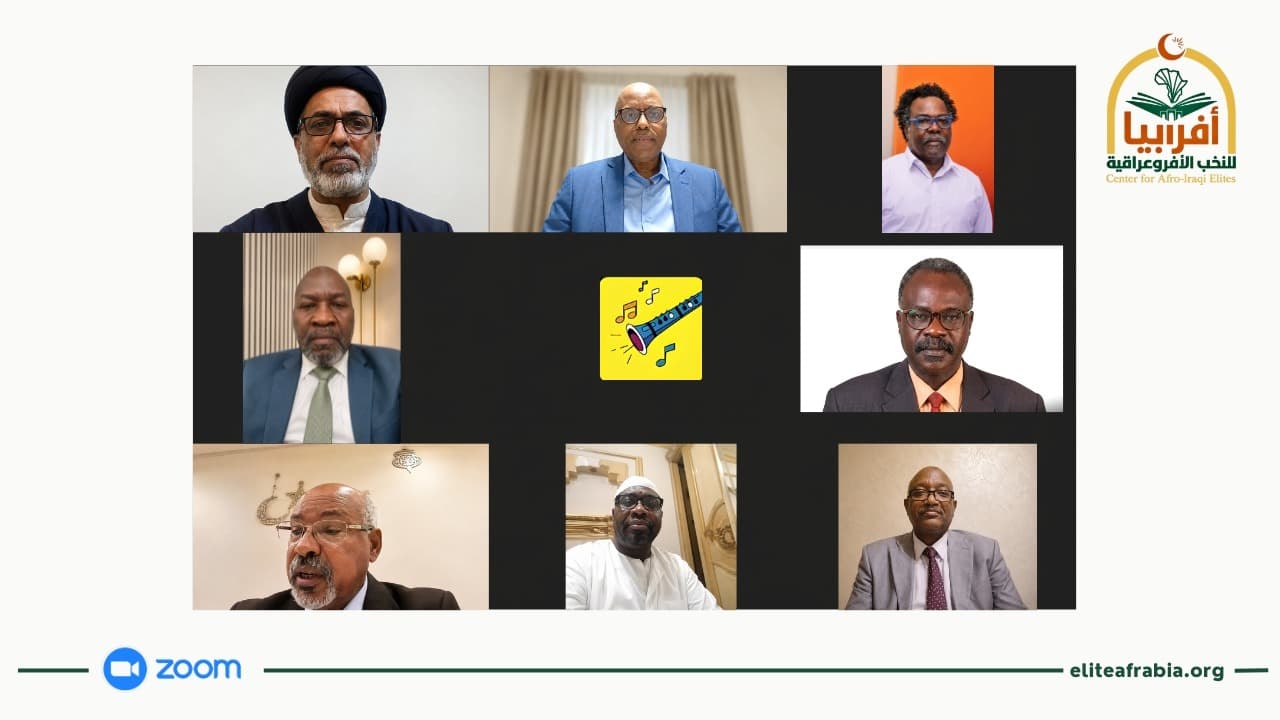
When wars intensify, the losses cannot be measured solely by the scale of destruction inflicted on buildings and infrastructure. They must also be measured by the silent hemorrhage that strikes the “mind of the nation” and threatens the foundations of its civilizational existence and future. At the heart of Sudan’s protracted tragedy, where academic minds and expertise have become victims of displacement and migration, another kind of battle is emerging: the battle to protect the memory of knowledge and restore the human element. Against this backdrop, a distinguished group of intellectuals and academics came together during the fourth digital event organized by the Afrabia Center for Afro-Iraqi Elites, in cooperation with the African Center for Research and Policy Studies (Afropolicy), on Saturday, August 8, 2026.
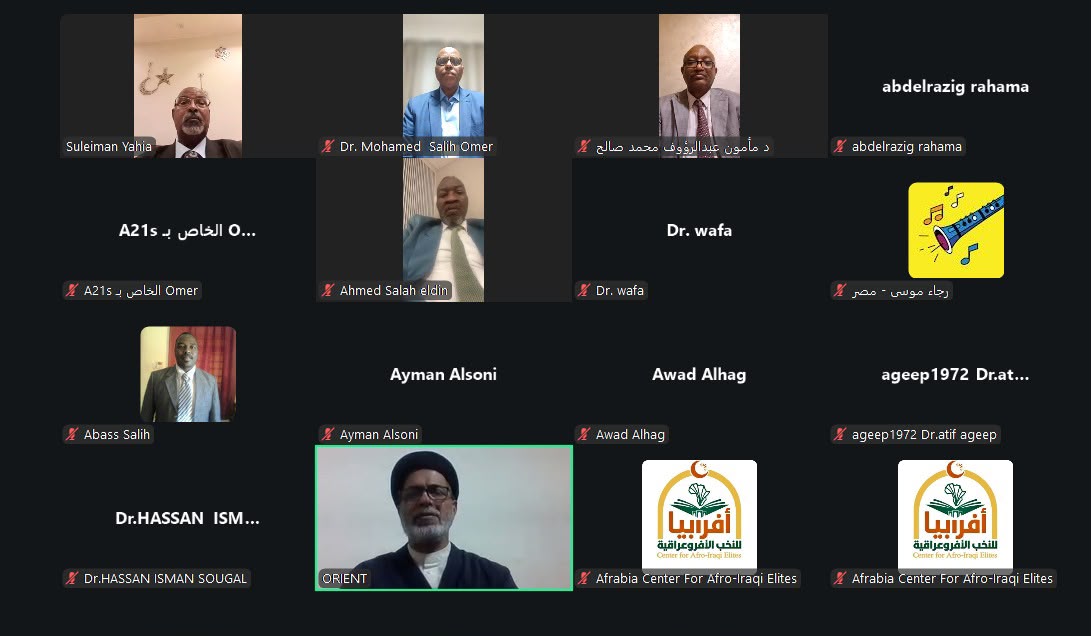
Held under the title “Higher Education in Sudan Amid Armed Conflicts: Challenges and Visions for Reconstruction,” the event was not merely a routine presentation of the figures and dimensions of the disaster. Rather, it constituted a moment of strategic reflection that diagnosed the wounds affecting Sudanese academia and set out an integrated roadmap linking the recovery of universities to the broader process of rebuilding the state.
The Brain Drain and the Erosion of National Memory
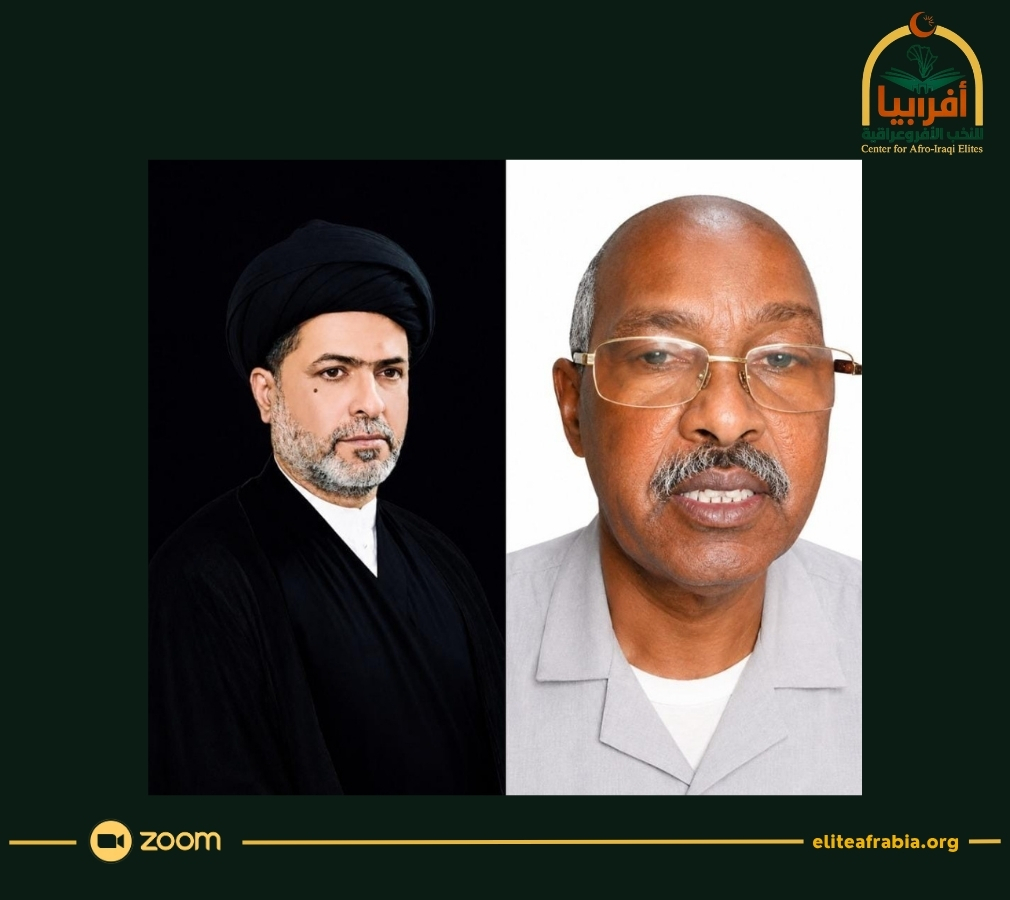
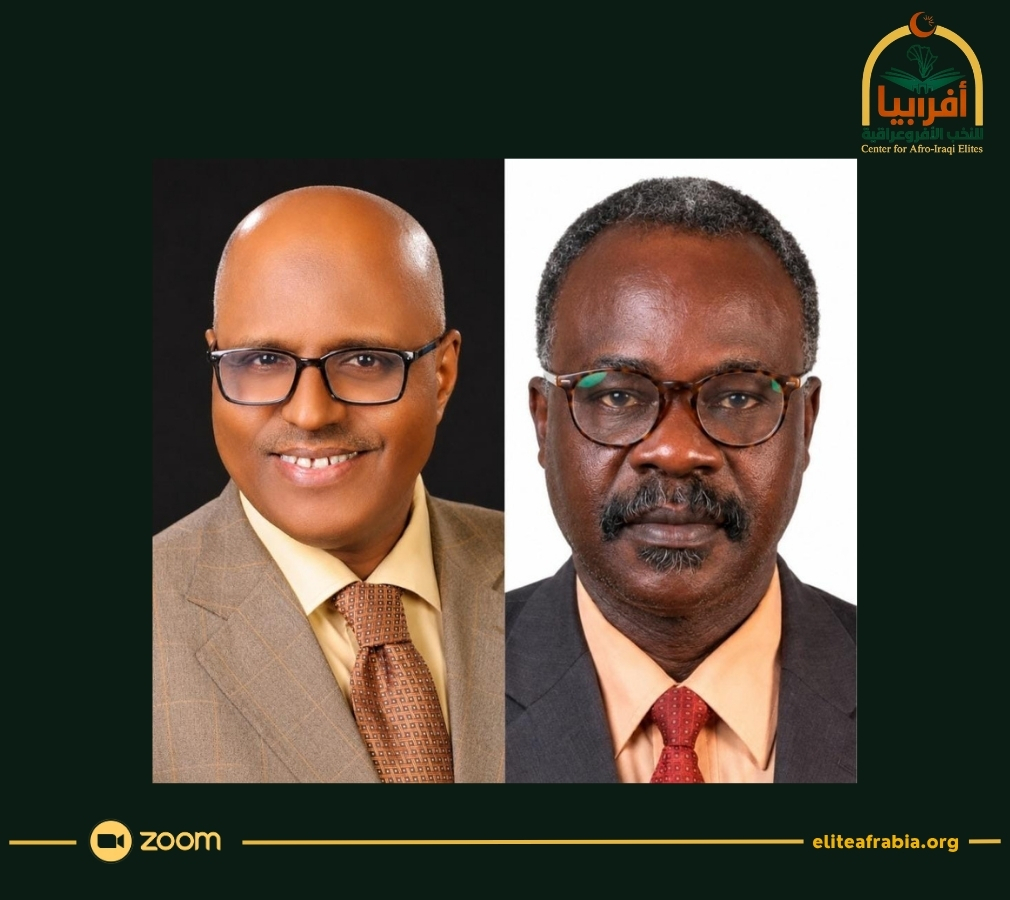
Dr. Hashim Al-Awadi, Director of the Afrabia Center for Afro-Iraqi Elites and Chair of the webinar, opened the discussion by outlining the contours of the human and intellectual tragedy, tracing its trajectory from Iraq through Lebanon and Gaza to Sudan. He pointed out that higher education is among the first vital sectors to come under attack during armed conflicts. War places institutions before a dual predicament: an acute drain of minds and expertise through migration, coupled with the forced disruption of the development of young professionals and competencies, thereby bringing the lifeline of national development to a virtual standstill.
Building on this argument, Professor Suleiman Yahya Mohamed, Professor of Arts, Folklore, and Peace Studies at Sudan University of Science and Technology, went beyond the material losses. He stressed that the real loss does not lie merely in the collapse of university buildings and institutions, but in the danger of eroding “national memory” and depriving the state of its ability to reproduce and sustain its institutions. He argued that rebuilding universities should not be treated as a secondary issue to be addressed after the war, but rather as the cornerstone and a fundamental component of any serious project to revive the Sudanese state.
Education as a National Security Issue and a Struggle over Identity
At the intersection of academia and politics, Dr. Mohamed Saleh Omar, Director of Afropolicy, warned that failure to address the crisis in higher education could ultimately turn it into an existential crisis for the state, given that universities constitute the primary source of qualified personnel for national institutions. He called for treating higher education as a “national security issue,” requiring exceptional action to restore Sudanese expertise, develop hybrid and online education, and establish an international academic network capable of contributing to the rehabilitation of the education system.
From the same analytical perspective, Dr. Atef Adam Mohamed Ageeb, Head of the Department of Peace Studies at Sudan University of Science and Technology, highlighted a particularly acute political and human dimension. He explained that education during wartime is transformed from a public service into an open arena of contestation over legitimacy, power, and identity. He raised the question of who controls educational decision-making when the state collapses, pointing to the threefold challenge confronting students and faculty members: funding, legitimacy, and academic accreditation.
Digital Resilience and Alternative Solutions at the Heart of the Tragedy
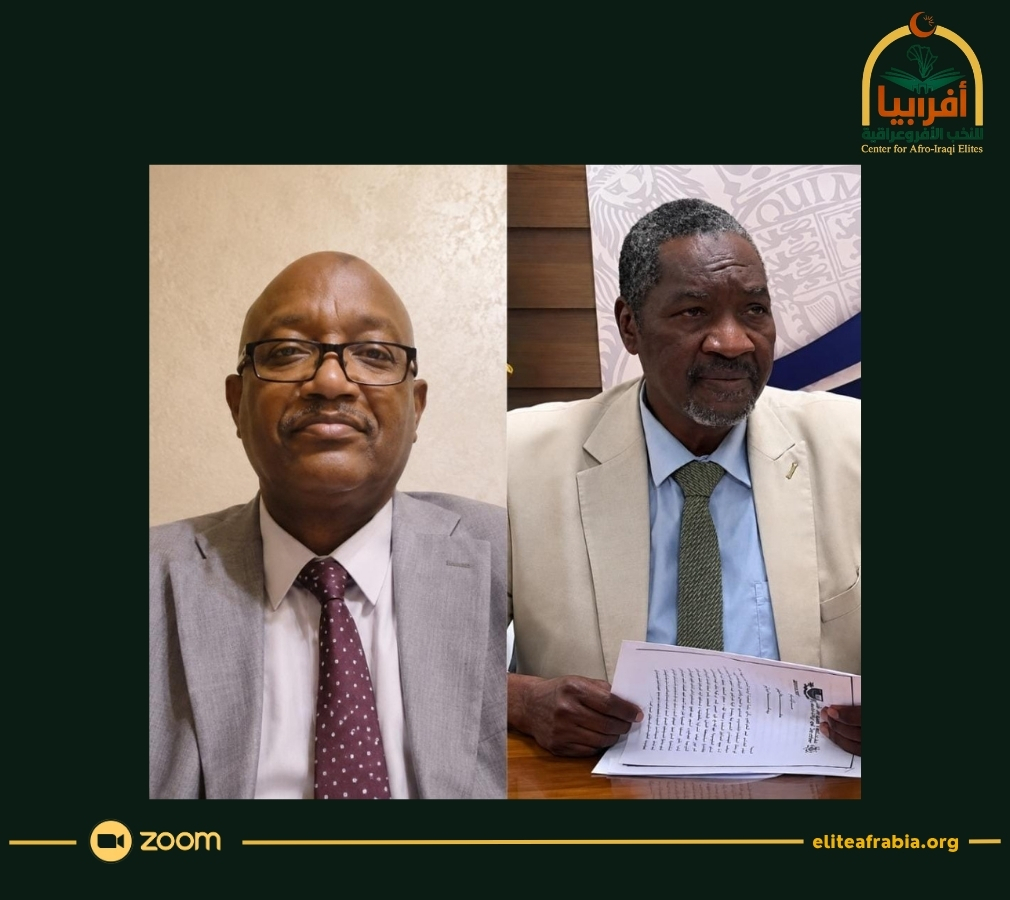
Despite the severity of the situation, the contributions also reflected a spirit of academic resilience. Dr. Mamoun Abdel-Raouf noted that, despite the enormous cost imposed by the war in terms of destruction and displacement, a number of institutions had managed to preserve the right to education and continue the academic process through digital platforms and external partnerships. He called for the immediate orientation of scientific research toward addressing critical challenges in areas such as health, energy, water, agriculture, and food security, thereby linking state decisions to scientific studies.
To translate this resilience into strategic frameworks, Professor Ahmed Salah El-Din Abdullah, Dean of the Faculty of Graduate Studies at the Open University of Sudan, presented a practical vision that goes beyond temporary responses. He called for the formulation of a “national strategy for education in emergencies.” This vision includes investing in digital infrastructure, securing cyberspace, establishing crisis-management centers, and integrating psychological and social support for students and faculty members as a priority no less important than academic achievement.
The Roadmap: Financing the Vision and Protecting Heritage
To ensure that these visions do not remain merely ideas on paper, Dr. Abbas Al-Tigani Mohamed, a researcher in peace studies and media, addressed the financial and procedural dimensions of recovery. He stressed that recovery requires a strategic vision and solid funding. He called for establishing “a national higher education fund and an emergency fund,” while activating partnerships with Sudanese communities abroad, the private sector, and regional and international organizations—not only to rehabilitate institutions, but also to protect libraries, documents, and the scientific heritage that represents the civilizational spirit of Sudan.
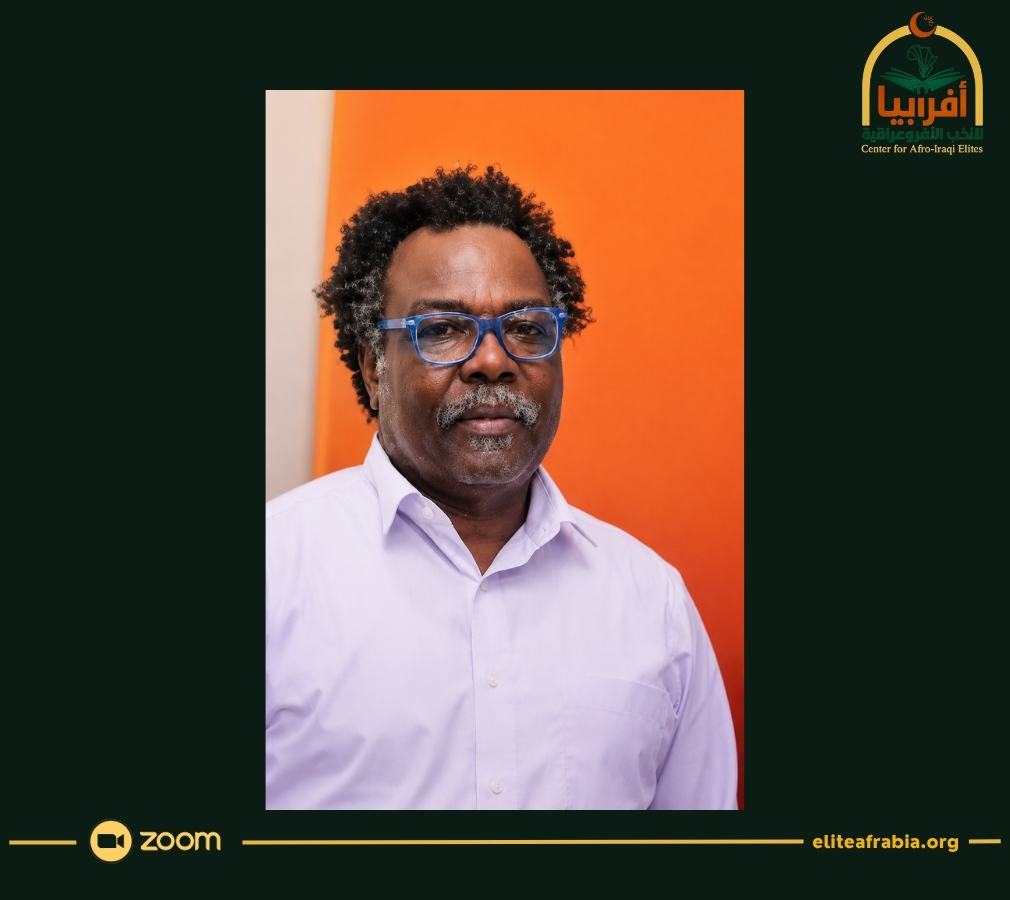
At the conclusion of the scientific webinar, the participating specialists and distinguished guests emphasized the principle that building people must come before rebuilding walls.
The webinar concluded with a broad human and academic consensus that the struggle to save higher education in Sudan is, above all, a struggle for the future of people before it is a struggle to preserve buildings and physical structures. Genuine reconstruction begins with restoring human capital, protecting collective memory, and making universities the primary engine for advancing peace and restoring the state on foundations of science and knowledge.
Together, we shape the awareness of the present and own the narrative of the future.